Platform

The technology platform
behind your results

How we measure: Every result is generated on a high-resolution mass spectrometry platform within an extensive, trackable quality management system. Multiple layers of QA and QC, including sample-type-specific control samples run through the complete platform with every batch, injection QCs, and regular instrument calibration, ensure that our results are accurate, consistent, and reproducible.

The journey

From samples to insights

Every study follows the same path, and we perform each step, from the raw sample to the interpreted, decision-ready result.

Sample sourcing

Any sample type, any number

It starts with the sample. From biofluids to fixed tissue, we handle each matrix routinely. If you want to use your own samples, we offer to consult you on collection, storage and shipping. We can also source samples via our large partner network to complement your available cohorts or to establish new ones.

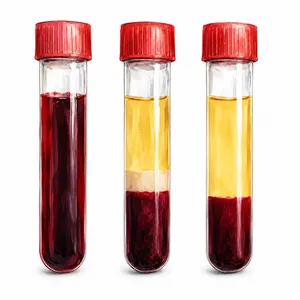
  • Vials of blood, plasma and serum
    Blood, plasma & serum
  • Dried blood spot cards
    Blood cards
  • A tube of cerebrospinal fluid
    Cerebrospinal fluid
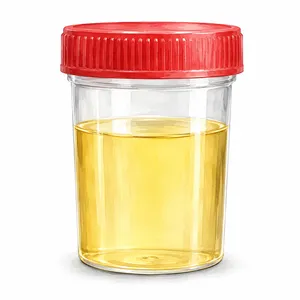
  • A urine sample container
    Urine
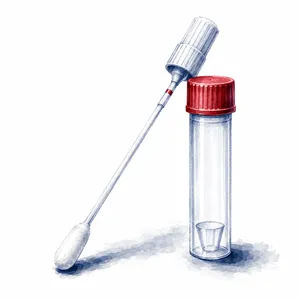
  • A saliva sample tube
    Saliva
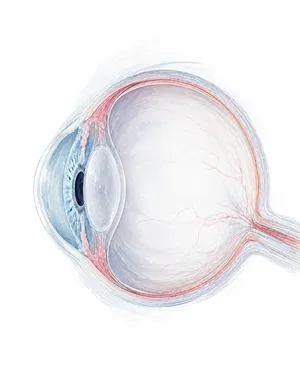
  • A cross-section of an eye
    Aqueous/Vitreous humor
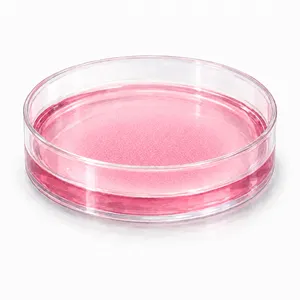
  • A cell-culture plate
    Cell culture cells/supernatants
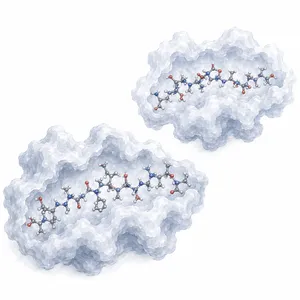
  • HLA peptides for immunopeptidomics
    HLA peptides
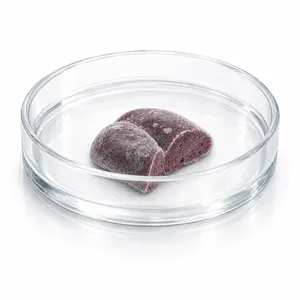
  • A fresh-frozen tissue sample
    Fresh-frozen tissue
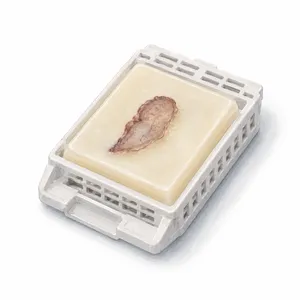
  • An FFPE tissue block
    FFPE tissue (block)
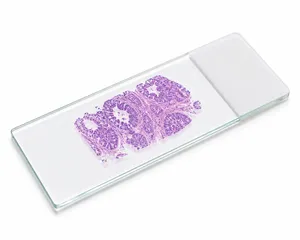
  • An FFPE tissue slide
    FFPE tissue (slide)
Sample preparation

Protein extraction, digestion and purification

Proteins are extracted from the sample, digested into peptides, then purified and desalted.

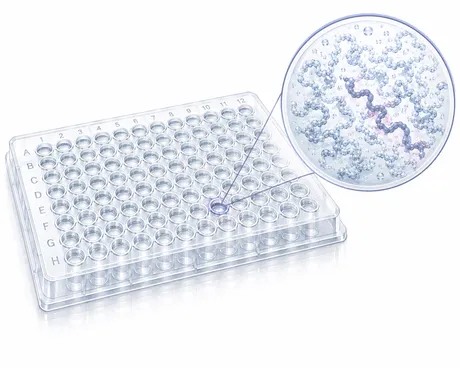
  • Cells lysed and proteins extracted and denatured in a 96-well plate
    Lysis, protein extraction & denaturation
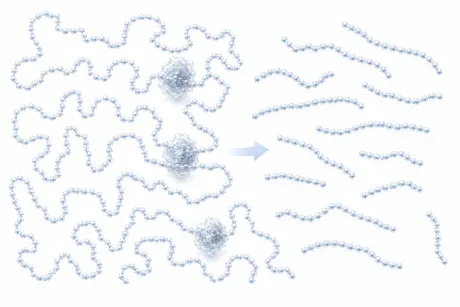
  • A protein strand cut into peptides
    Digestion
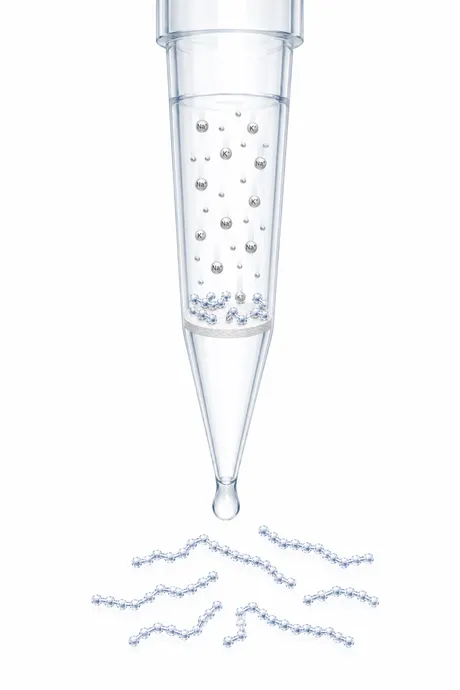
  • Peptides desalted on a solid-phase extraction tip
    Purification & desalting
Data generation

LC-MS/MS analysis

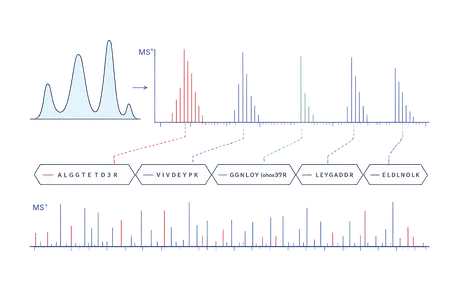
Peptides are separated by HPLC and measured by high-resolution mass spectrometry, yielding rich raw data.

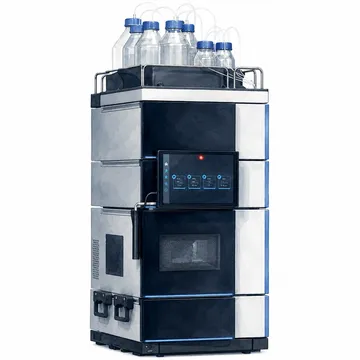
An HPLC system
HPLC
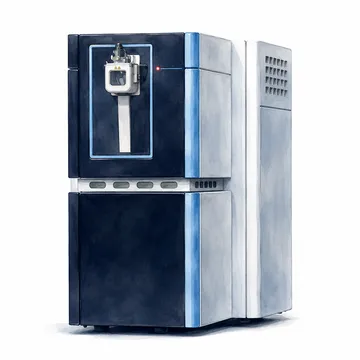
A mass spectrometer
Mass spectrometry
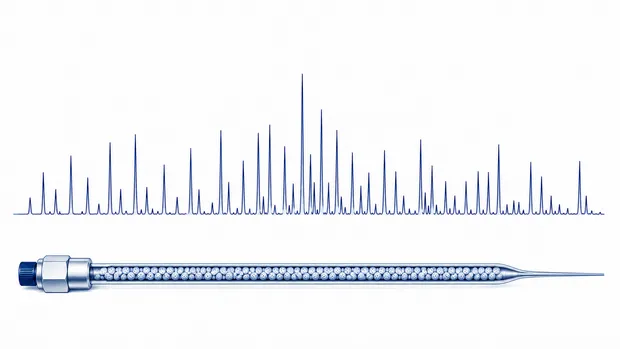
A chromatogram of peptides separating over time
Peptide separation
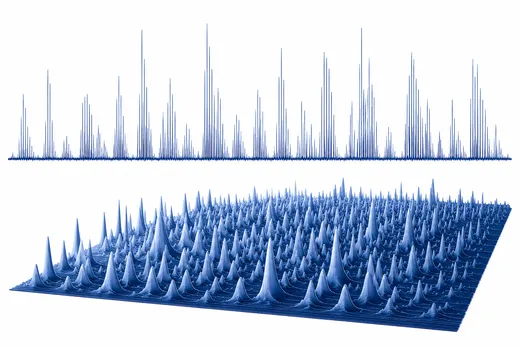
Mass spectra: thousands of peaks across m/z
MS raw data
Data analysis

QC, stats & AI

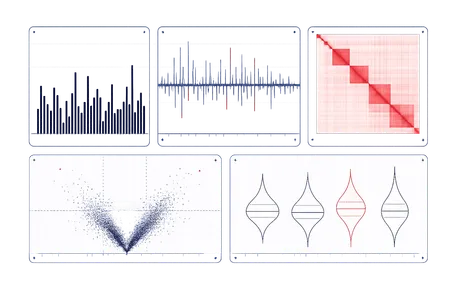
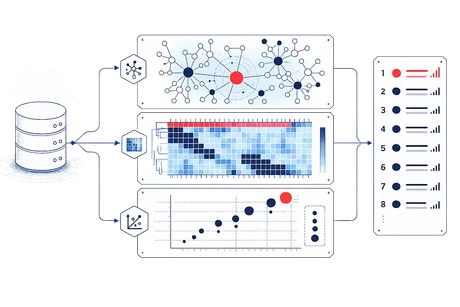
Spectra become identified, quantified proteins — quality-checked, statistically tested, and prioritized into the candidates that matter.

  • Mass spectra interpreted into identified peptides
    Spectral interpretation
  • Quality control and statistical analysis of the results
    QC & statistics
  • Candidates prioritized from the data
    Prioritization
ions.bio proprietary software

VeriDyne Software Suite

Also in the suite
  • VeriDyne Vault

    The reference data layer beneath the measurements, so every result can be read in a richer biological context. The foundation models built on top of it are in active development.

  • VeriDyne Monitor

    Real-time quality monitoring. It watches every acquisition as it runs, tracking instrument performance and control samples, so drift is caught and corrected before it reaches your data.

Instrumentation & methods

Built for depth, precision, throughput, and reproducibility

The hardware matters, but the method around it matters more. Our edge is high-resolution measurement on the Orbitrap Astral, run inside disciplined, repeatable workflows.

Latest generation instrumentation

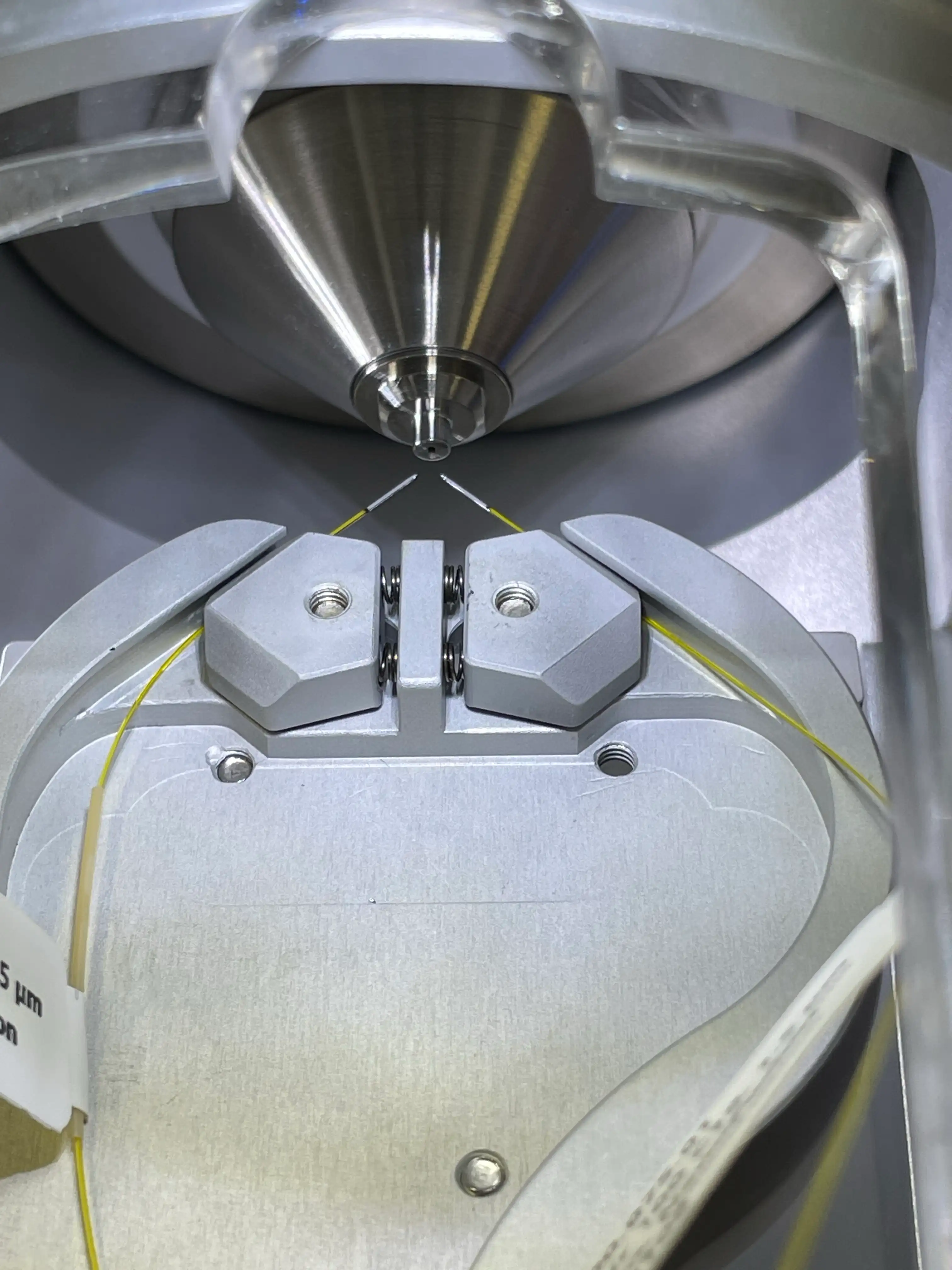
We combine best in market instrumentation throughout our platform. The Orbitrap Astral and Astral Zoom mass spectrometers coupled to the Vanquish Neo Tandem HPLC allow confident identification and precise quantification across a wide dynamic range, even with short gradients at a throughput of more than 200 samples a day.

DIA, DDA and Targeted acquisition

We match the acquisition strategy to the question: comprehensive coverage, complete fragment spectra for accurate PTM site localization, or high sensitivity and best quantitative precision.

Interested in special scan modes and method development? We are a team of proteomics experts who develop novel scan modes and targeted assays.

Deep, reproducible coverage

The numbers speak for themselves: >1,000 proteins in neat plasma, >5,000 in enriched plasma, 7,000 in urine, >5,000 in CSF, >11,000 in FFPE cancer samples and even higher coverages in cell lines and frozen tissue samples.

Standardized throughout the platform

Documented quality management system with multiple layers of QA and QC, including more than 20 SOPs for each sample type and analysis, detailed manufacturing instructions for all buffers, qualification system for every buffer that touches your samples, and tracking of input materials. In addition, we have real-time monitoring of all acquired data to detect and correct any performance drifts instantly. This process ensures that our results are accurate, consistent, and reproducible.

Quality you can prove

We measure the quality of each sample,
and the entire study

Sample quality is the foundation of every result. We helped define how pre-analytical variation is assessed in biofluid proteomics: quality-marker panels that identify, quantify, and where possible correct sample-related biases before they reach your data.

  • Quality-marker panels flag sample-related artifacts, from handling, processing, and contamination, so a “biomarker” is never just a sample bias in disguise.
  • We assess quality at two levels: every individual sample, and the study as a whole, keeping cohort-scale comparisons defensible.
  • Process controls and reference samples track instrument performance over time, so drift is caught, not shipped.
  • Version-controlled analysis pipelines make every result traceable: the same inputs produce the same answer.
  • We can report methods and QC metrics alongside results: defensible, publication-grade output, not a black box.

Not new for us: our team defined quality-marker panels for plasma proteomics: Geyer et al., EMBO Molecular Medicine (2019).

See our plasma science notes →

Browse our publications →

Let's plan your study

Every study that is executed incorrectly consumes valuable sample material, and, more importantly, wastes time and manpower. In our fast-paced scientific environment, these resources cannot be recovered.